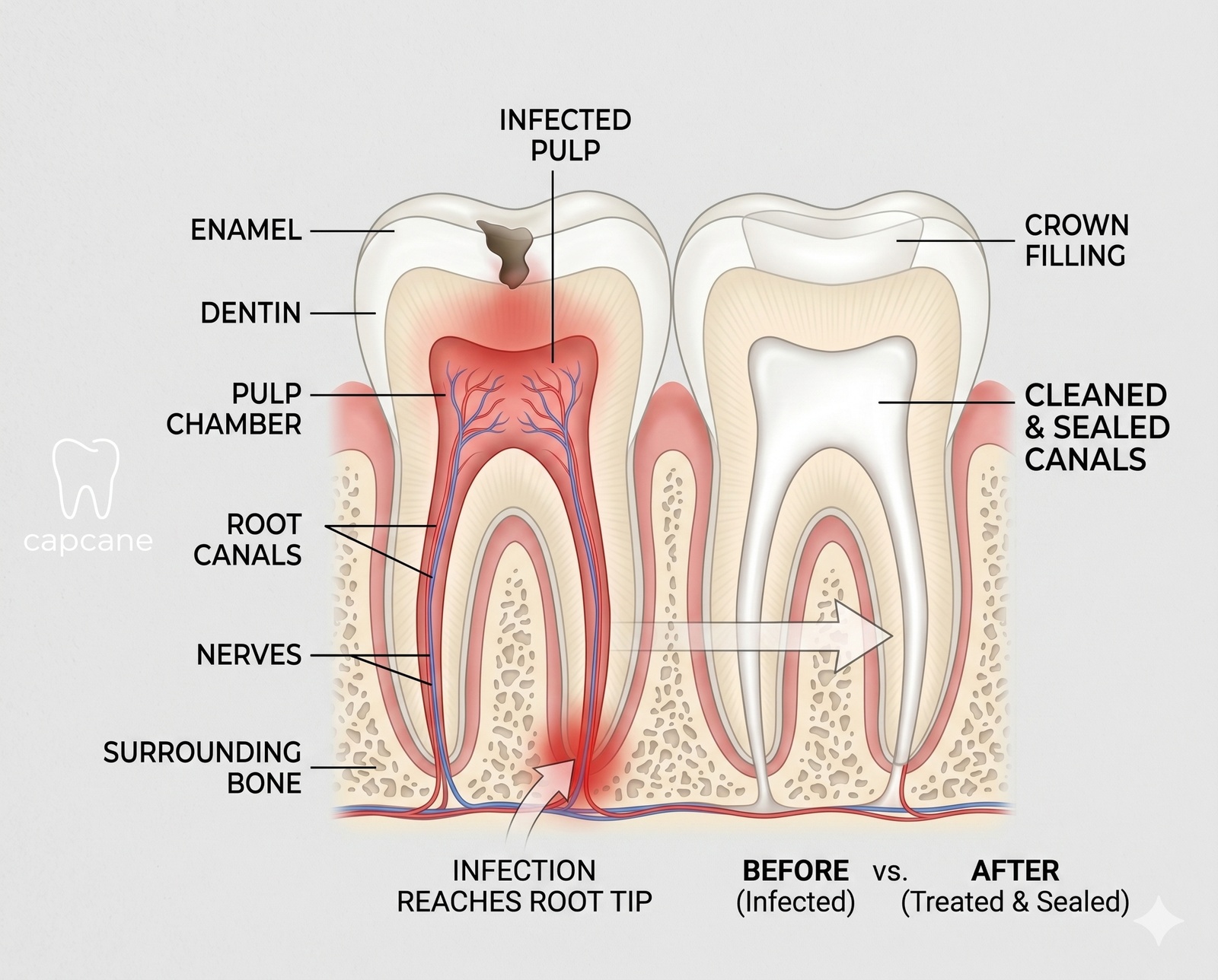
Root Canal
A root canal (technically called Endodontic Therapy) removes the infected or inflamed soft tissue — called the pulp — from inside your tooth. Once removed, the canals are cleaned, disinfected, and sealed. The tooth is then restored with a crown so it looks and functions normally.
Quick Clinical Answer
A root canal is a dental procedure that removes infected pulp from inside a tooth, relieves pain, and saves the tooth from extraction. It is not painful when done with proper anaesthesia and typically takes 60–90 minutes.
- ✓Removes infected pulp to save the tooth
- ✓Takes 60–90 minutes; not painful with proper anaesthesia
- ✓Costs ₹3,000–₹8,000 (crown extra: ₹3,000–₹12,000)
- ✓Molar root canals cost 2–3× more than front teeth
- ✓Not every toothache needs a root canal — overdiagnosis is common
Root Canal Procedure: Step by Step
What actually happens during the procedure — from initial diagnostic scans to final placement.
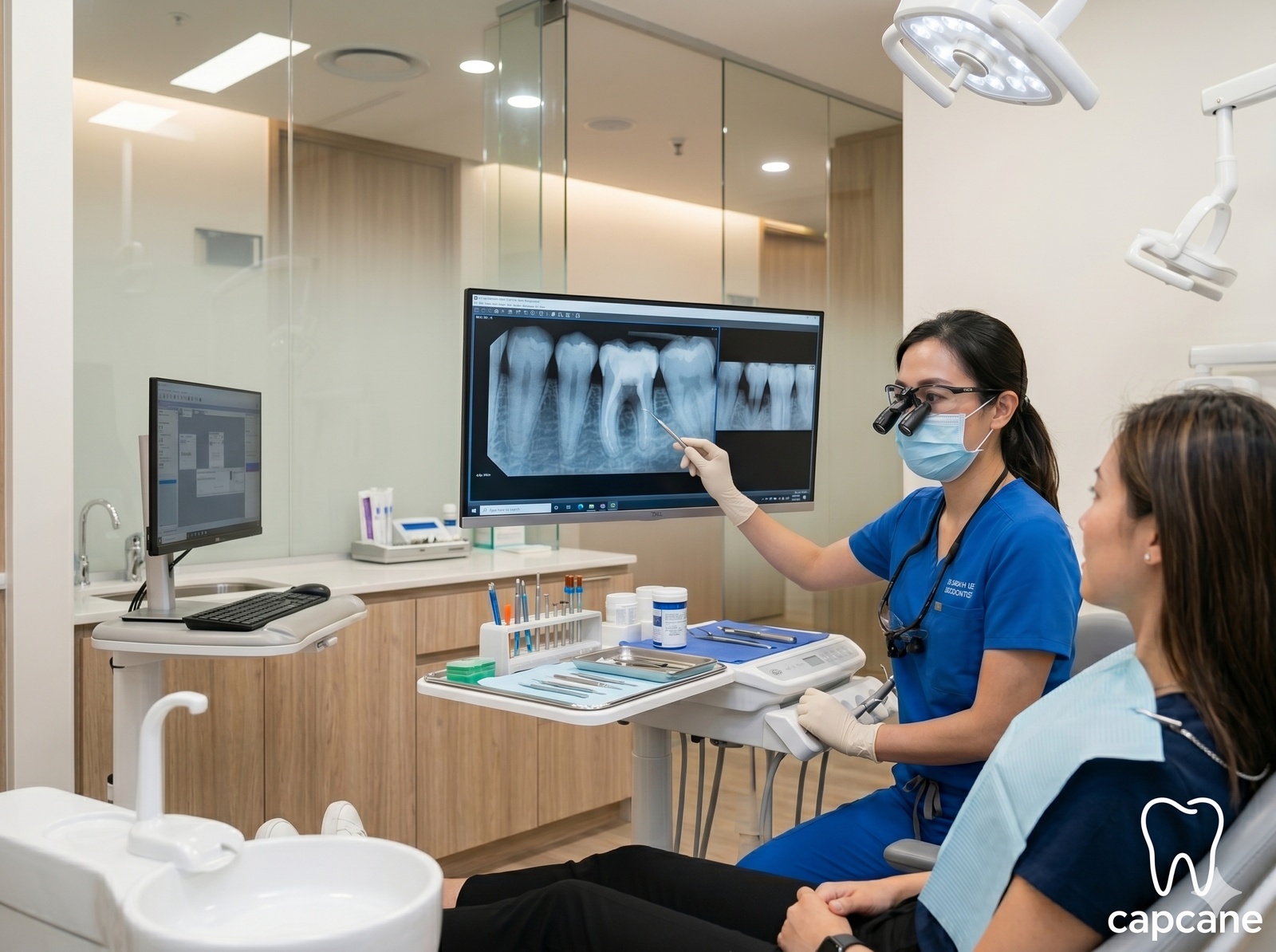
X-ray and diagnosis
The dentist takes a periapical X-ray to map the root canal shape and check for bone infection. This step determines whether a root canal is actually needed — a missed canal or misread X-ray is the primary cause of treatment failure.
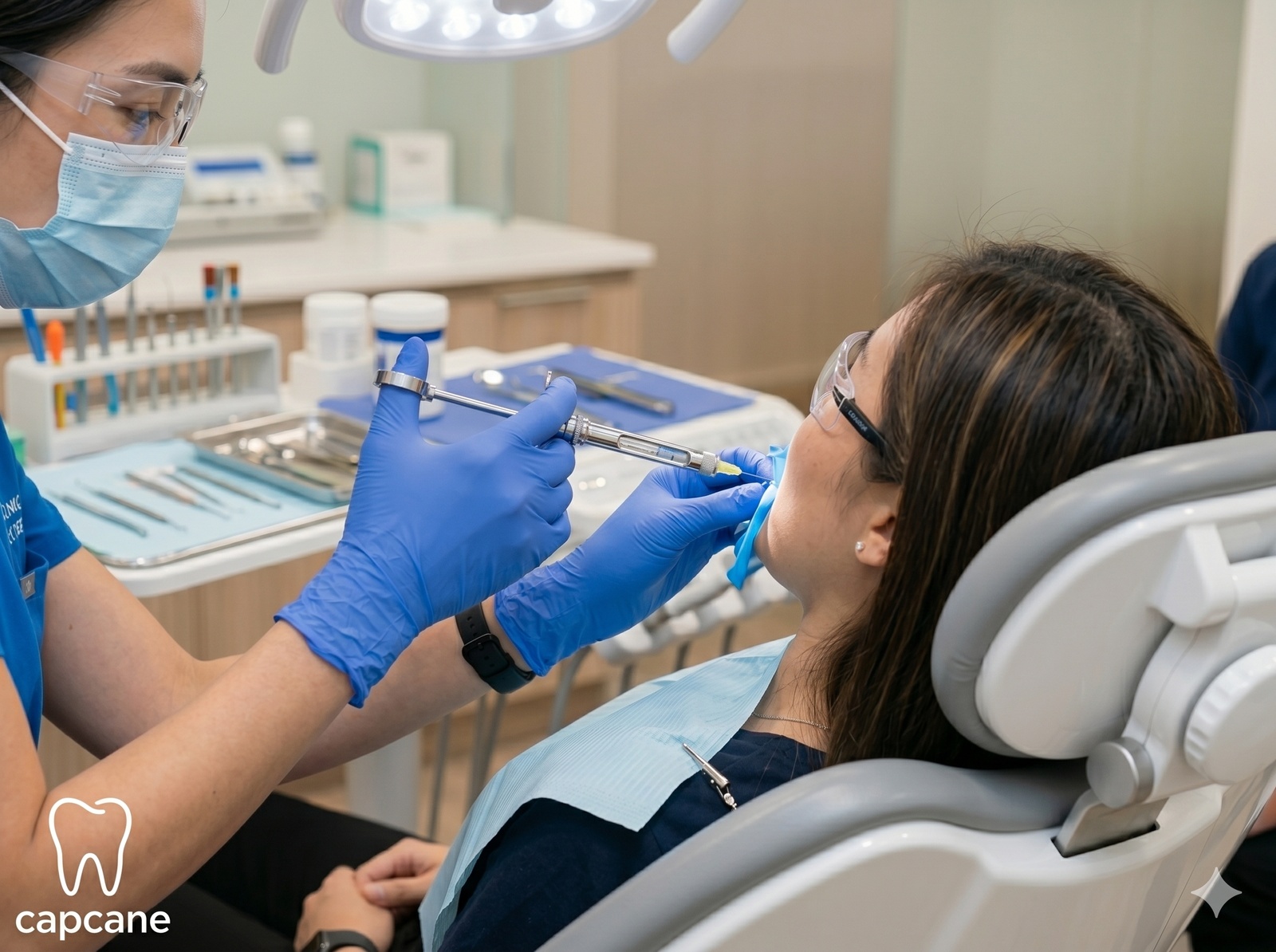
Local anaesthesia
The area around the tooth is numbed completely. A properly administered root canal is not painful. If you felt pain during a previous root canal, the anaesthesia was insufficient — not proof that root canals are inherently painful.
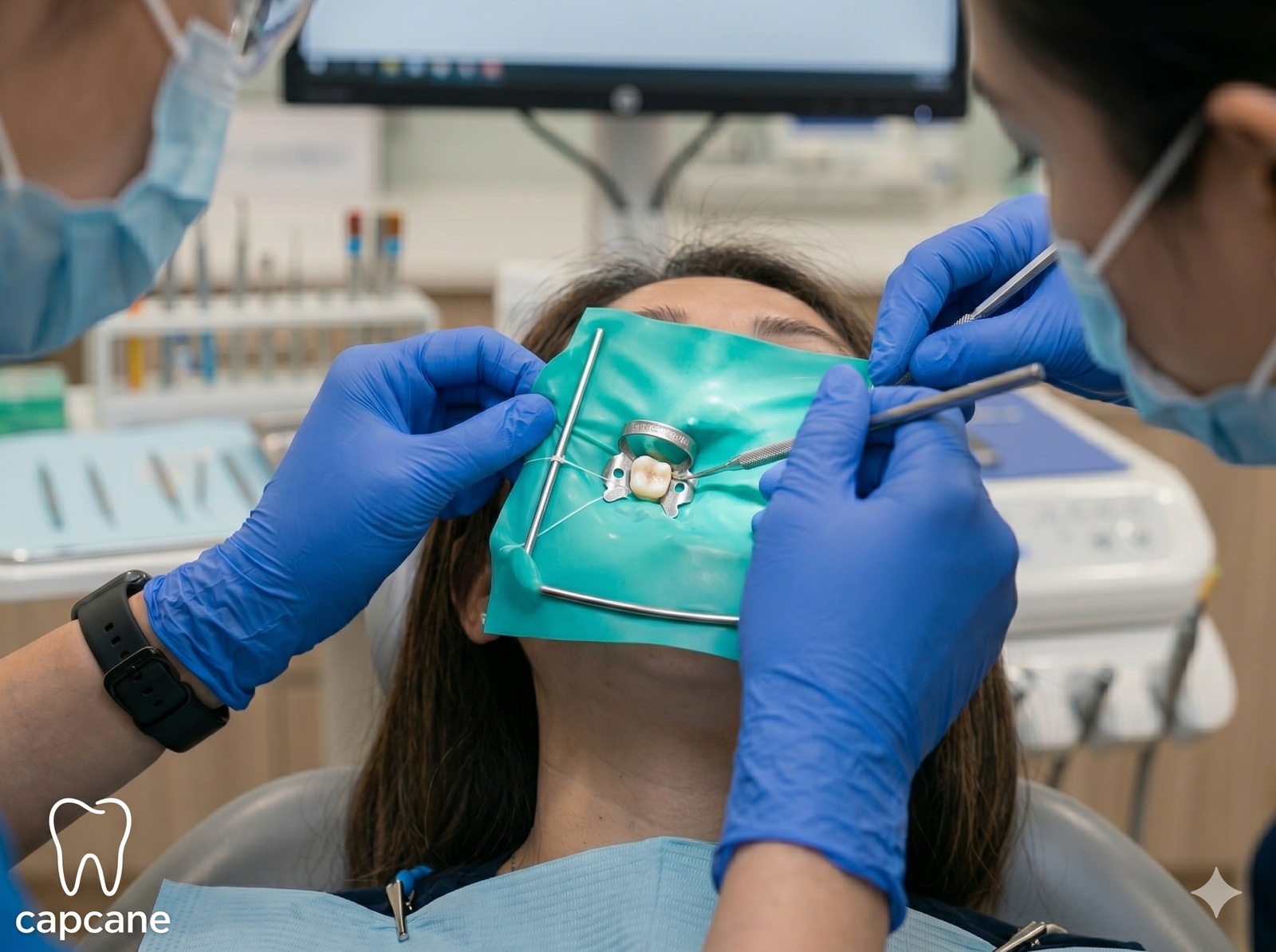
Rubber dam placement
A thin rubber sheet is placed around the tooth to isolate it from saliva and bacteria. This is not optional — it is a quality indicator. Dentists who skip the rubber dam significantly increase the risk of re-infection.
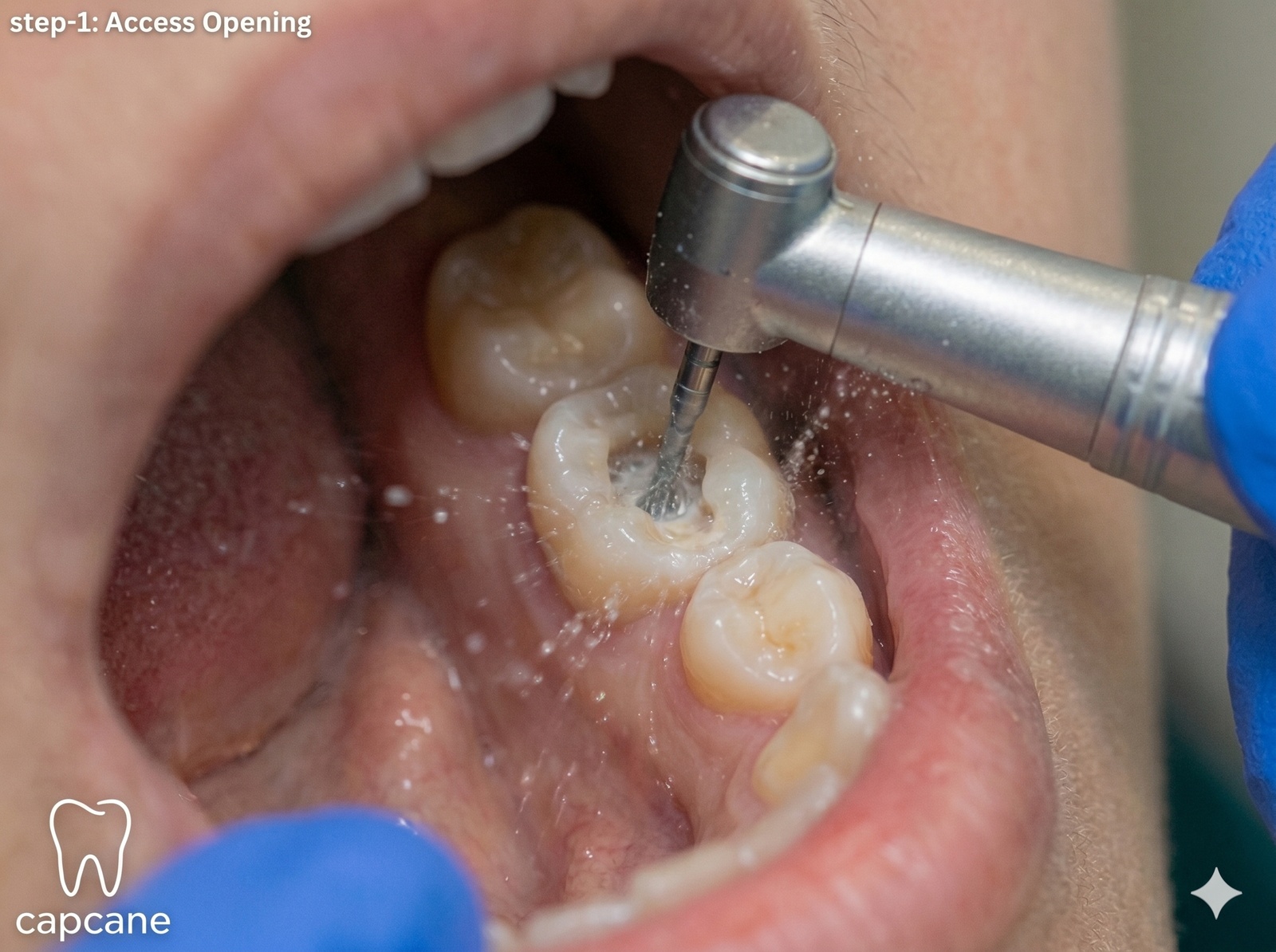
Access opening
A small hole is drilled through the top of the tooth into the pulp chamber. For front teeth, this is from the back surface. For molars, it is from the chewing surface.
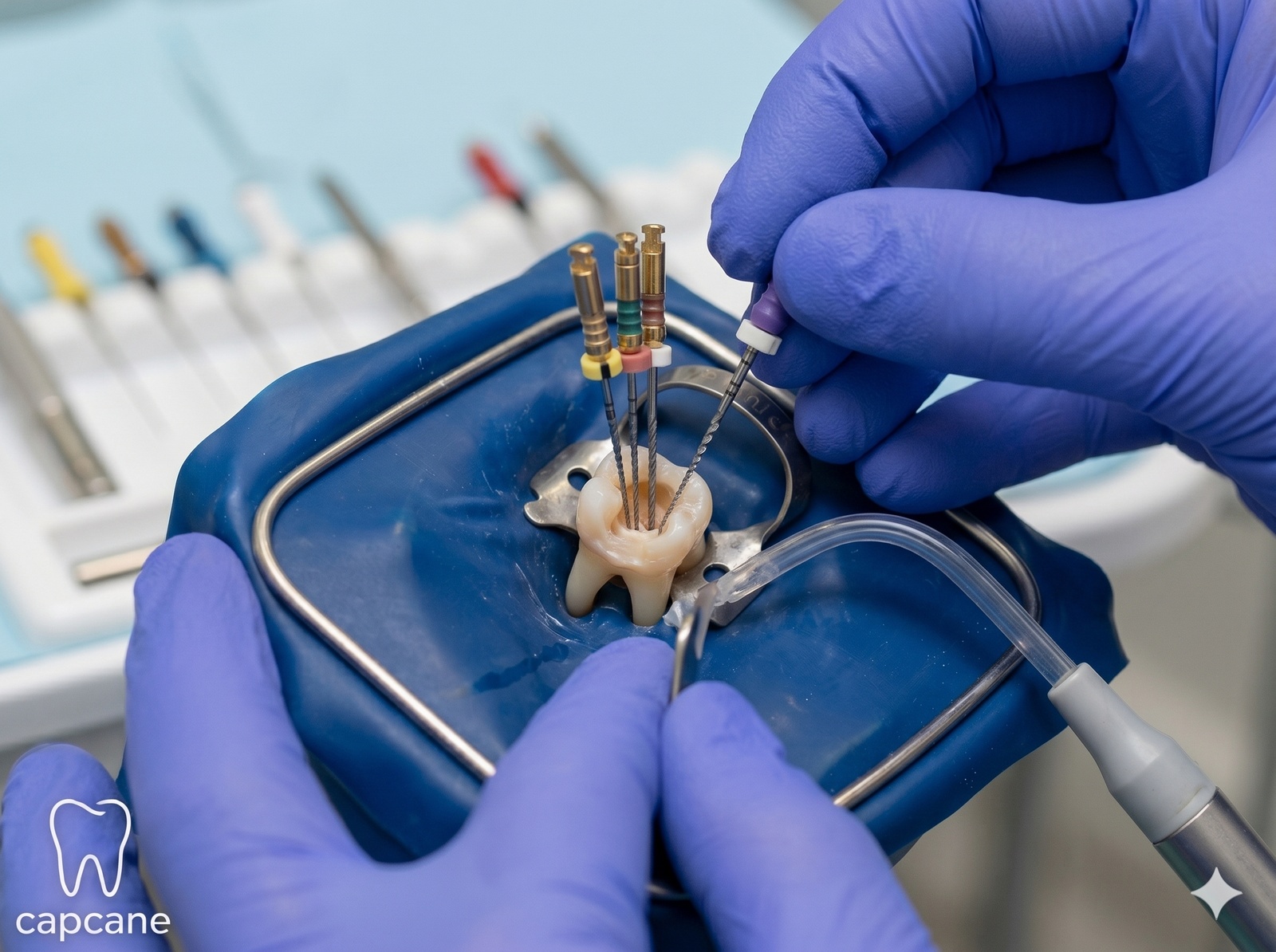
Pulp removal and canal shaping
Thin files (hand or rotary) remove the pulp and clean the canal walls. The canals are also shaped to allow thorough irrigation and sealing. Overshaping weakens the root; undershaping leaves bacteria behind. This is where specialist skill matters most.
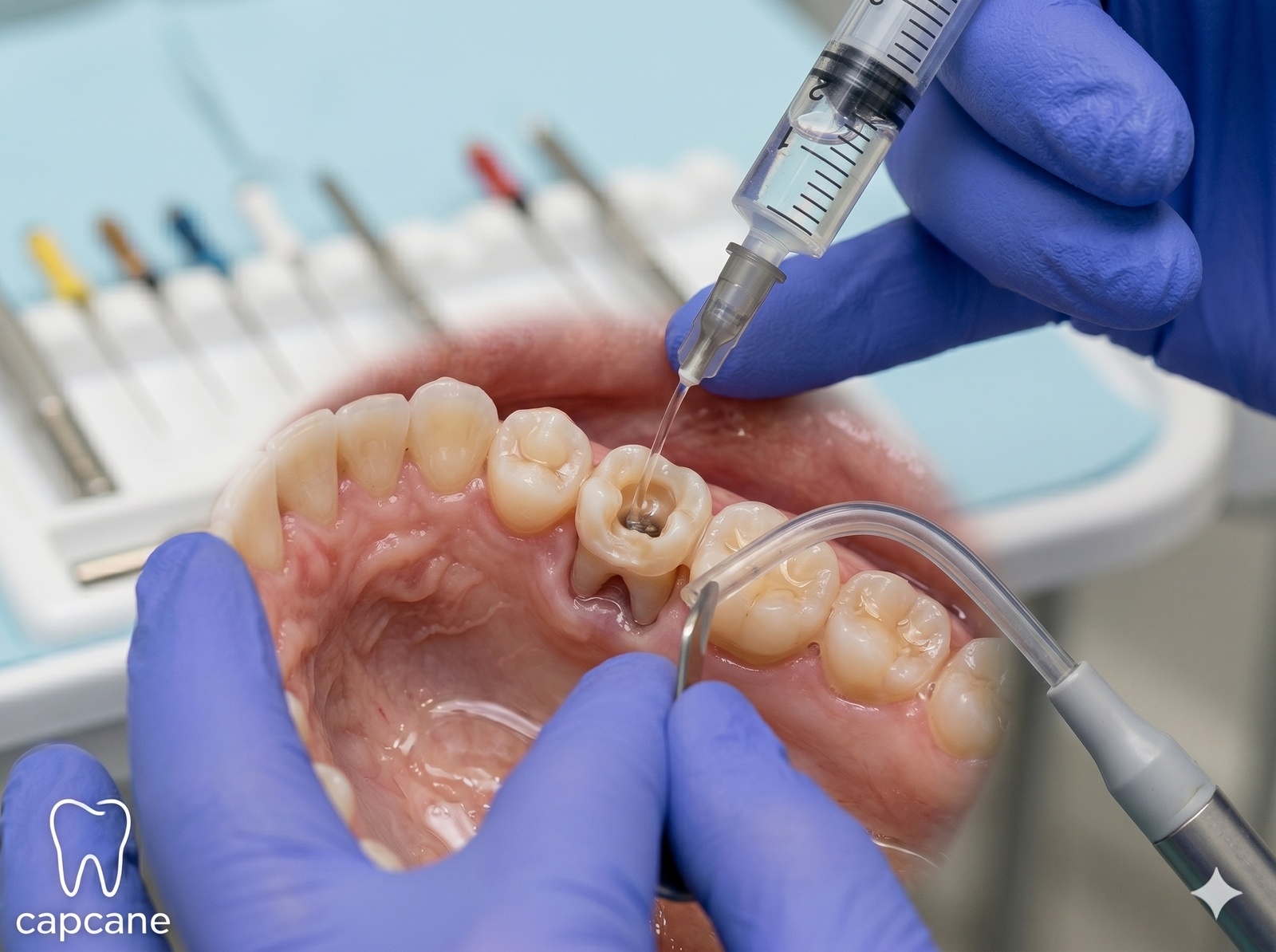
Irrigation
Sodium hypochlorite (bleach) and EDTA are flushed through the canals to dissolve organic tissue and kill remaining bacteria. The thoroughness of irrigation directly determines long-term success rates.
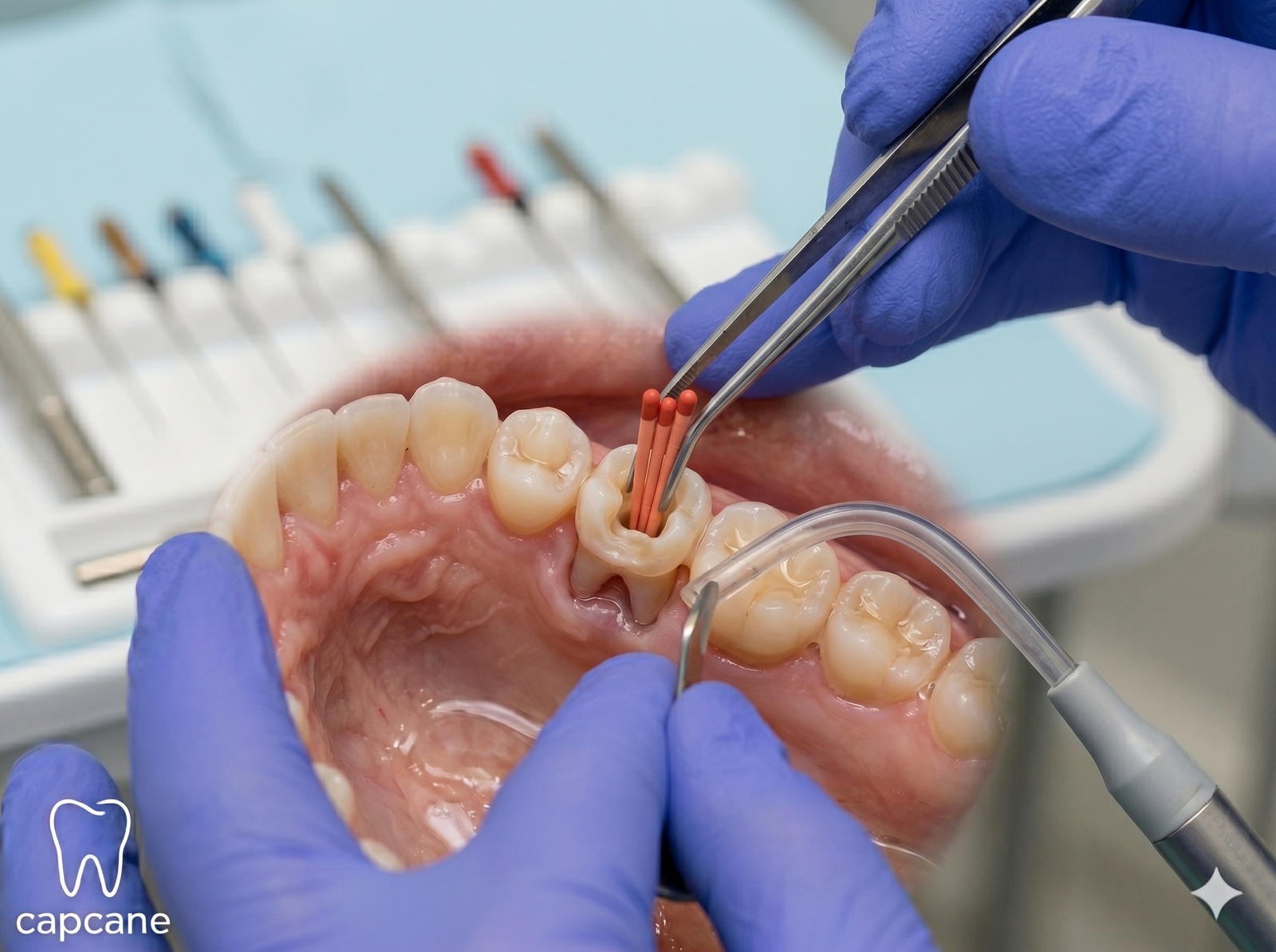
Canal filling (obturation)
The cleaned canals are filled with gutta-percha — a rubber-like material — and sealer. The fill must reach exactly to the root tip. Short or over-extended fills are a common cause of root canal failure.
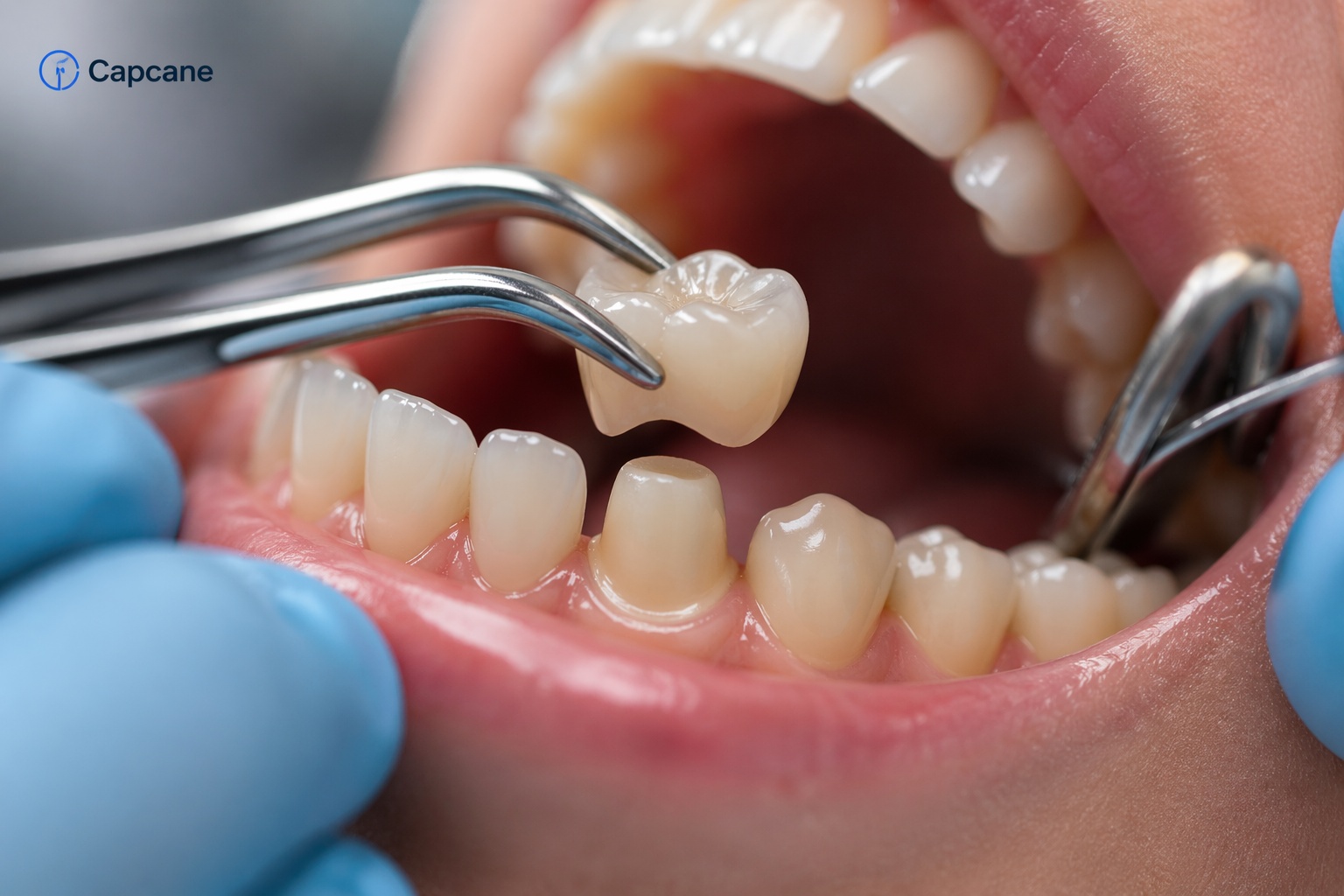
Crown placement
After the root canal, the tooth is structurally weakened and prone to fracture under biting force. A crown is placed to protect it. Skipping the crown is one of the most common reasons root-canal-treated teeth are later lost.
How Much Does Root Canal Cost in India?
Transparent benchmarks across accredited clinics in India. Avoid being overcharged for hidden laboratory or consultation markups.
| Category / Type | Procedure Cost (INR) | Materials / Crown | Estimated Total (INR) |
|---|---|---|---|
| Front tooth (1 canal) | ₹3,000–₹4,500 | ₹3,000–₹7,000 | ₹6,000–₹11,500 |
| Premolar (2 canals) | ₹4,000–₹6,000 | ₹4,000–₹9,000 | ₹8,000–₹15,000 |
| Molar (3–4 canals) | ₹5,000–₹8,000 | ₹5,000–₹12,000 | ₹10,000–₹20,000 |
* Pricing in INR represents fair-market dental estimates. Costs vary based on clinical anatomy, specialist experience (BDS vs. MDS), and materials used.
Verified Endodontists for Root Canal
1 SpecialistConnect with vetted dental specialists in Bengaluru. View verified qualifications, clinic addresses, consultation fees, and patient ratings.
Dr. Rajesh Kumar
Frequently Asked Questions about Root Canal
Evidence-based answers to key patient questions on safety, recovery, and alternatives.
Not sure if you need Root Canal?
Get a free, unbiased second opinion from a verified Endodontist. We review your X-rays and symptom history before you visit a clinic.
Get Free Specialist Consultation →