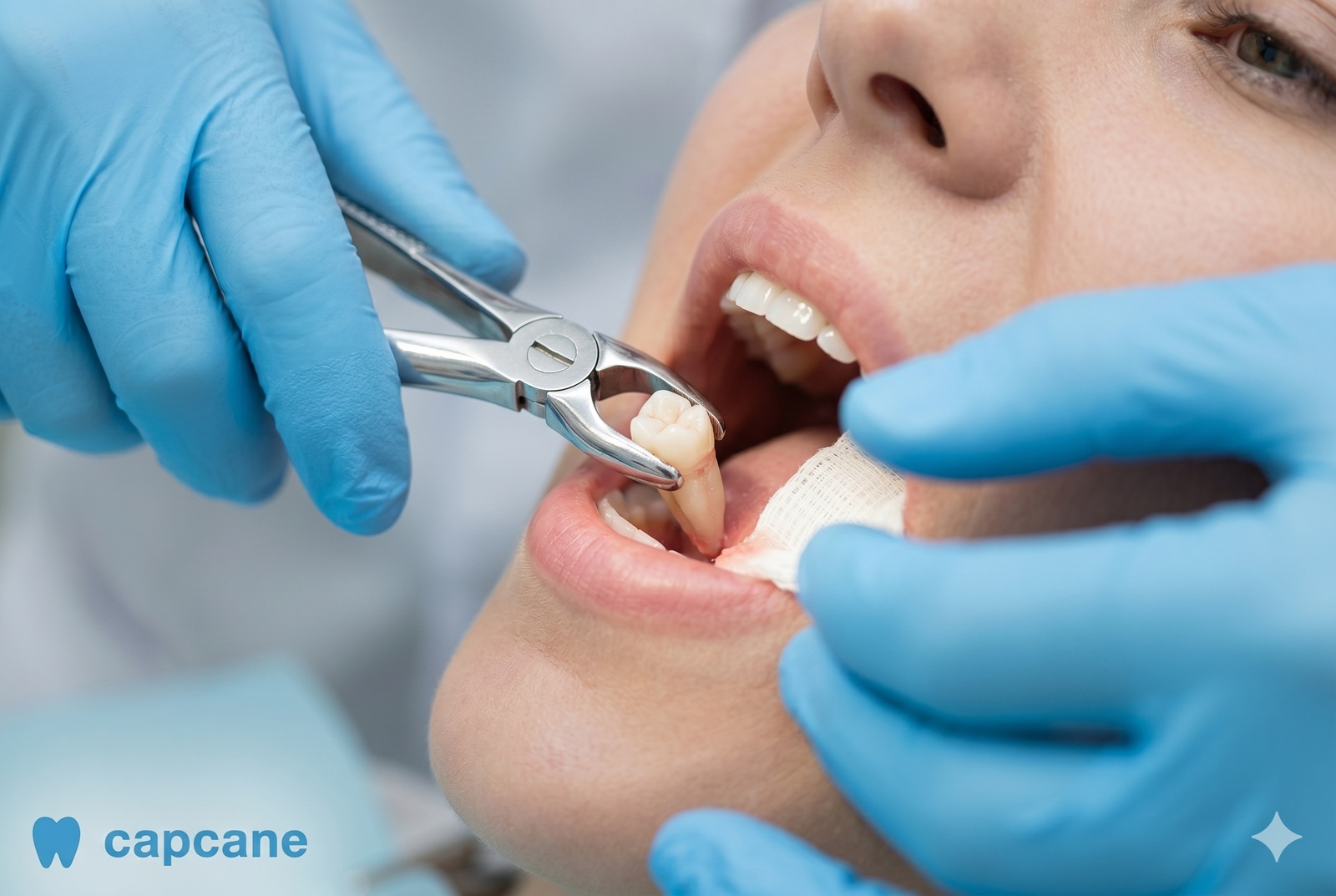
Tooth Extraction
A tooth extraction is the removal of a tooth from its bony socket in the jaw. It is one of the most common dental procedures — but also one of the most consequential, because extraction is permanent and irreversible. Once a tooth is removed, the jawbone and surrounding teeth begin to change, sometimes in ways that create new and more expensive problems. This is why extraction should be the last resort, not the default option when a tooth becomes painful or difficult to treat.
Quick Clinical Answer
A tooth extraction is the removal of a tooth from its socket in the jawbone. Simple extractions involve loosening and removing a fully erupted tooth under local anaesthesia. Surgical extractions are needed for impacted teeth, broken teeth, or complex root anatomy. Extraction is often presented as the easy option — but the long-term consequences of losing a tooth (bone loss, shifting teeth, bite problems) mean that saving the tooth with a root canal and crown is usually the better decision when it is still possible.
- ✓Simple extraction: ₹500–₹2,000. Surgical extraction: ₹2,000–₹6,000
- ✓Wisdom tooth removal (impacted): ₹3,000–₹10,000
- ✓Extraction is irreversible — the tooth cannot be put back
- ✓Bone loss begins within weeks of an extraction if no implant or bone graft follows
- ✓Many teeth recommended for extraction can be saved with root canal + crown
Tooth Extraction Procedure: Step by Step
What actually happens during the procedure — from initial diagnostic scans to final placement.
Assessment and X-ray
A periapical X-ray is taken to visualise the root shape, root length, proximity to nerves (in the lower jaw) or sinus (in the upper jaw), and the amount of surrounding bone. This determines whether a simple or surgical approach is needed and what complications are possible.
Local anaesthesia
The area is injected with local anaesthetic — typically lidocaine with epinephrine. The tooth and surrounding gum become numb within 3–5 minutes. You will feel pressure during the extraction but not pain. If you feel sharp pain at any point, tell the dentist immediately. More anaesthesia can always be given.
Luxation (loosening)
A dental elevator is inserted between the tooth and the bone, gently rocking the tooth to expand the socket and sever the periodontal ligament. This is the step that causes the most pressure sensation. Proper luxation makes the actual extraction step easy — rushing it leads to root fractures.
Extraction
For simple extractions: dental forceps grip the tooth and it is removed with a combination of pressure and rotation. For surgical extractions: the gum is incised, bone may be gently removed around the tooth, and the tooth may be sectioned (cut into pieces) before removal — this is common for impacted wisdom teeth and teeth with curved or long roots.
Socket grafting (optional but recommended)
If you plan to replace the tooth with an implant, socket grafting at the time of extraction preserves the bone volume in the socket. Bone graft material is packed into the socket and covered with a membrane. This adds ₹3,000–₹8,000 to the extraction cost but significantly reduces the need for more complex and expensive grafting later.
Suturing and post-extraction care
The socket is sutured (for surgical extractions or when grafting is done). A gauze pad is placed and you bite down for 30–45 minutes to control bleeding. The dentist gives aftercare instructions: no smoking, no spitting, no straws, no vigorous rinsing for 24 hours. Paracetamol or ibuprofen for pain. Ice pack for 20 minutes on and off for the first 6 hours.
How Much Does Tooth Extraction Cost in India?
Transparent benchmarks across accredited clinics in India. Avoid being overcharged for hidden laboratory or consultation markups.
| Category / Type | Procedure Cost (INR) | Materials / Crown | Estimated Total (INR) |
|---|---|---|---|
| Simple extraction (single root) | ₹500–₹1,500 | ₹3,000–₹5,000 | ₹500–₹6,500 |
| Surgical extraction (multi-root) | ₹1,500–₹3,500 | ₹4,000–₹7,000 | ₹1,500–₹10,500 |
| Impacted wisdom tooth (partial) | ₹3,000–₹6,000 | Usually N/A | ₹3,000–₹6,000 |
| Impacted wisdom tooth (full bony) | ₹5,000–₹10,000 | Usually N/A | ₹5,000–₹10,000 |
* Pricing in INR represents fair-market dental estimates. Costs vary based on clinical anatomy, specialist experience (BDS vs. MDS), and materials used.
Verified Oral & Maxillofacial Surgeons for Tooth Extraction
2 SpecialistsConnect with vetted dental specialists in Bengaluru. View verified qualifications, clinic addresses, consultation fees, and patient ratings.
Dr. K A Mohan
Dr. Swathi Kakathkar
Frequently Asked Questions about Tooth Extraction
Evidence-based answers to key patient questions on safety, recovery, and alternatives.
Not sure if you need Tooth Extraction?
Get a free, unbiased second opinion from a verified Oral & Maxillofacial Surgeon. We review your X-rays and symptom history before you visit a clinic.
Get Free Specialist Consultation →